
















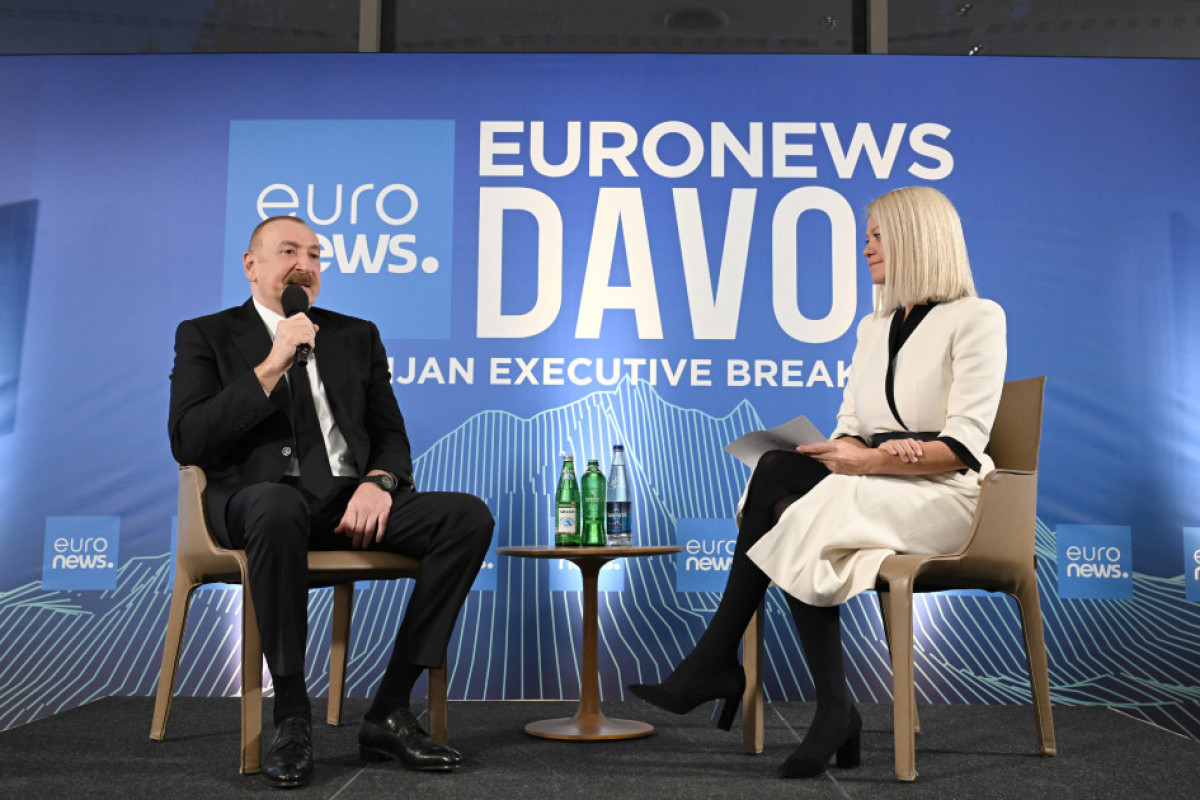
Azerbaijan’s economic performance in 2025 showcases a mature and resilient development model, moving beyond raw growth metrics to prioritize sustainability, institutional strength, and the capacity to withstand global volatility. As articulated by President Ilham Aliyev, this shift underscores a strategic long-term vision built on disciplined fiscal management and careful planning, positioning the nation as one of its region’s most financially stable economies.
The Pillars of Financial Resilience
A cornerstone of this stability is an exceptionally strong sovereign balance sheet. Azerbaijan’s foreign debt stands at a remarkably low 7.2% of GDP, a stark contrast to the rising debt burdens plaguing many global economies. This cautious approach to public borrowing preserves significant economic sovereignty and policy flexibility, allowing Baku to navigate external shocks without reliance on excessive external financing.
This fiscal prudence is powerfully reinforced by substantial financial buffers. The country’s foreign exchange reserves now exceed its external liabilities by more than sixteen times, creating a formidable shield against global market fluctuations. These reserves underpin confidence and enable sustained investment in critical national priorities—from infrastructure and social programs to large-scale post-conflict reconstruction—without compromising long-term fiscal sustainability.
Diversification and the Non-Oil Momentum
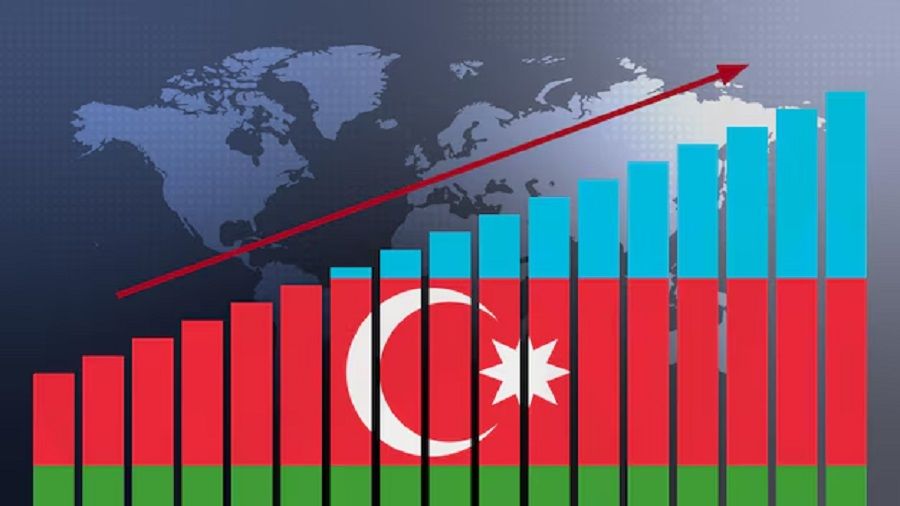
While hydrocarbons remain a vital component of the economy, 2025 marks a clear acceleration in diversification. The non-oil sector grew by 3.2%, driven by years of targeted reforms across construction, transport, agriculture, tourism, ICT, and logistics. As President Aliyev has emphasized, each percentage point of this growth is strategically significant, reflecting a development model becoming more balanced and less exposed to the volatility of global energy markets. This transformation is guided by the strategic framework of Azerbaijan 2030, which focuses on enhancing productivity, innovation, and value creation.
Energy: A Dual Strategy of Leadership and Transition
Azerbaijan continues to solidify its role as a reliable energy partner. In 2025, natural gas exports surpassed 25 billion cubic meters to fourteen countries across Europe and neighbouring regions, reinforcing its strategic importance for continental energy security. This credibility is built not just on volume, but on reliable supply, modern infrastructure, and long-term commitments, epitomized by the transformative Southern Gas Corridor.
Concurrently, the nation is actively planning for a post-fossil fuel future. Renewable energy expansion is now a core strategic pillar, with plans to add 6,000 megawatts of solar, wind, and hydropower capacity by 2030, targeting a total of 8,000 megawatts by 2032. These large-scale projects, supported by international investors, signal a structural shift towards green growth and position Azerbaijan as a future clean energy exporter.
International Confidence and Post-Conflict Dynamics
Recognition of this robust economic management has grown internationally. In 2025, leading agencies Moody’s and Fitch upgraded Azerbaijan’s sovereign credit rating to investment grade, revising the outlook to positive. This milestone lowers borrowing costs, improves market access, and sends a strong signal to global investors about the country’s fiscal discipline and policy consistency.
Furthermore, the post-conflict environment has established a new foundation for long-term development. Restored territorial integrity has enhanced political stability and business confidence, accelerating reconstruction. Major cross-continental transport and logistics projects are transforming Azerbaijan into a pivotal connectivity hub between Europe and Asia, generating employment, attracting investment, and integrating the nation deeper into global value chains.
Inclusive Growth and a Bridge to Cooperation
Economic progress has been consistently paired with social investment. Successive reform packages have raised wages, pensions, and social benefits for millions, ensuring that macroeconomic strength translates into tangible improvements in living standards and social stability.
This multifaceted progress creates significant opportunities for enhanced international partnership, notably with Australia. Azerbaijan’s macroeconomic stability, expanding renewable energy sector, and growing role as a regional energy and logistics hub align closely with Australian strengths in clean energy technology, critical minerals, mining services, agribusiness, infrastructure, and education. With its investment-grade status and stable policy environment, Azerbaijan offers Australian business a reliable platform for joint ventures and long-term investment. As Azerbaijan advances its transition towards a diversified and globally integrated economy, deeper cooperation with Australia presents clear mutual benefits, supporting Baku’s development ambitions while opening new commercial pathways for Australia in the Caspian and wider Eurasian region.