






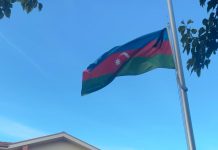






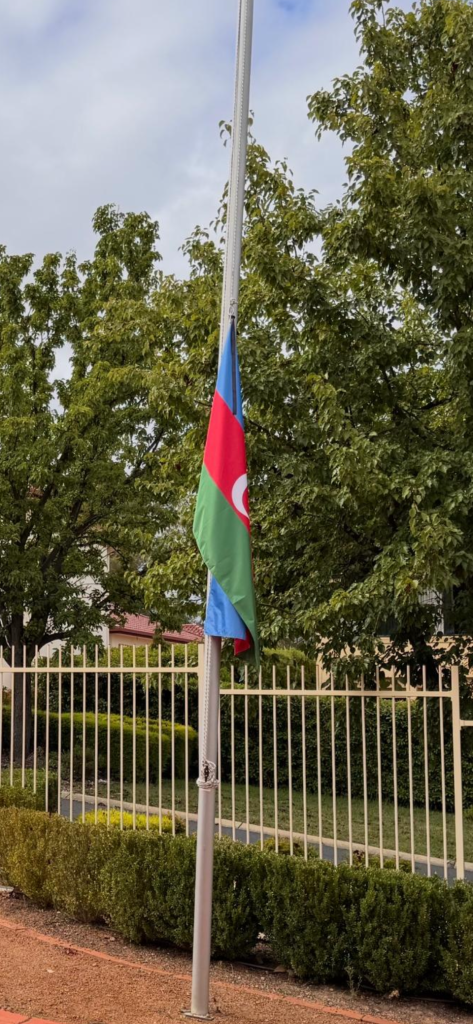
Azerbaijan is marking the 34th anniversary of the Khojaly genocide. Across the country and at diplomatic missions abroad, the national flag has been lowered to half-mast in memory of the victims. Commemorative ceremonies, moments of silence and memorial gatherings are being held to honour those who lost their lives in one of the most tragic episodes of the Armenia-Azerbaijan conflict.
More than three decades after the massacre in Khojaly, the events of 25–26 February 1992 remain a defining tragedy for Azerbaijanis worldwide, including many in Australia. Genocide is often discussed through the prism of the Holocaust, the systematic murder of six million Jews by Nazi Germany during World War II. The Holocaust stands as the clearest historical warning of how hatred, racial ideology and state machinery can combine to produce industrial-scale extermination. Australia, home to one of the largest Holocaust survivor communities per capita, has embedded Holocaust remembrance into its national consciousness.
Yet genocide and mass atrocity did not end in 1945. The post-Cold War period brought new conflicts and new civilian tragedies. Among them was the massacre in Khojaly, during the Nagorno-Karabakh conflict between Armenia and Azerbaijan.
What Happened in Khojaly?
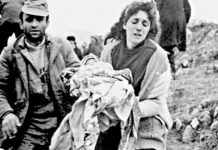
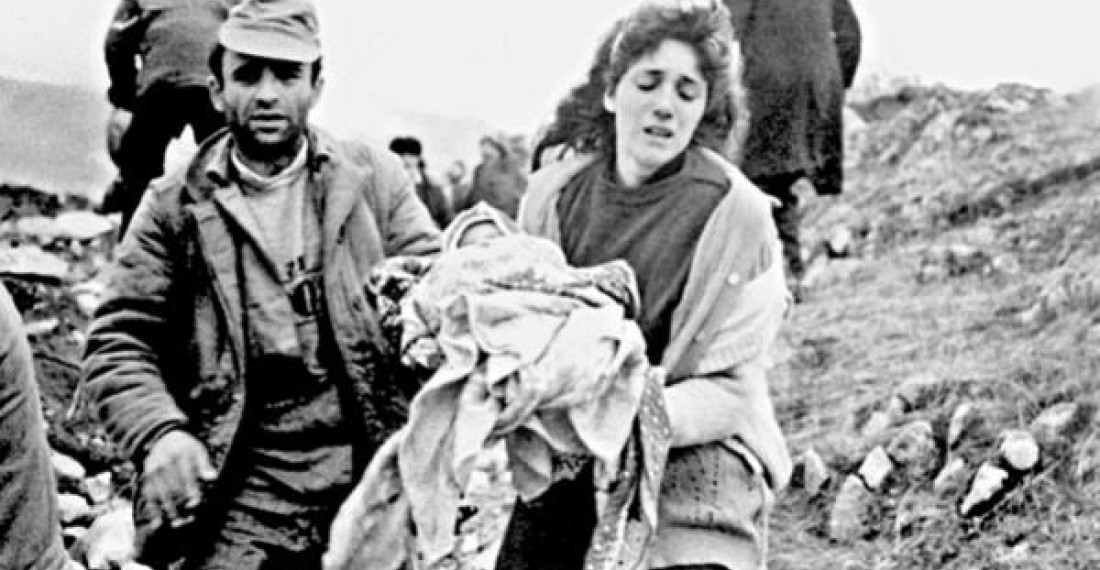
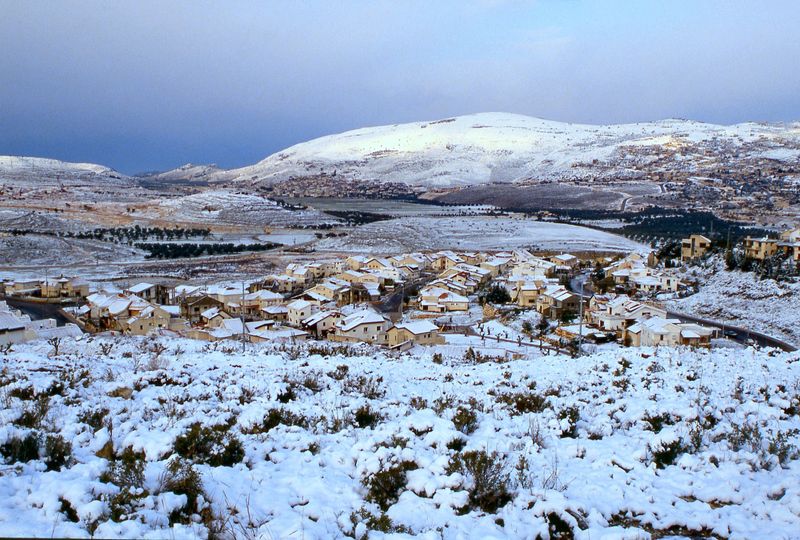
Khojaly was a small but strategically significant town in Azerbaijan’s Karabakh region. Before the conflict escalated, it had a population of around 7,000 people. By early 1992, it was surrounded and under intense military pressure. On the night of 25-26 February 1992, as Azerbaijani civilians attempted to flee the town
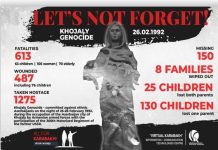
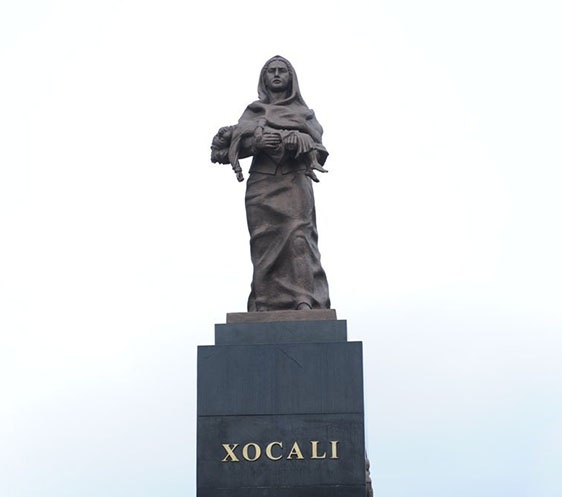
through snow-covered terrain, they were attacked. According to Azerbaijani official figures, 613 civilians were killed, including 106 women, 63 children and 70 elderly people. More than 1,000 were reportedly injured, and over 1,200 were taken hostage, with some still listed as missing. Azerbaijan formally describes these events as the Khojaly genocide. Survivors recount scenes of chaos in freezing conditions, families separated in the darkness, and civilians caught in gunfire while trying to escape. For many Azerbaijanis, Khojaly is not an abstract legal debate; it is a national trauma and a symbol of civilian suffering during war.
Recognition and International Response
Several countries and sub-national jurisdictions have passed resolutions recognising the events in Khojaly as genocide or condemning them as crimes against humanity. Others have stopped short of formal recognition but acknowledge the gravity of the civilian deaths. For many Azerbaijani Australians, recognition of Khojaly is not about inflaming old hostilities, it is about affirming that civilian lives lost in conflict deserve remembrance and justice. The story of Khojaly resonates beyond the South Caucasus. It highlights enduring truths about modern warfare: civilians are often the first and worst victims; ethnic conflict can escalate rapidly; and unresolved political disputes can produce long-term humanitarian
consequences.
Australia’s multicultural society includes communities shaped by conflict, Jewish, Armenian, Azerbaijani, Rwandan, Cambodian and many others. Each carries its own history of trauma and resilience. Public recognition of these histories strengthens social cohesion by acknowledging lived experience rather than ignoring it. If the Holocaust taught the world the catastrophic consequences of industrialised hatred, Khojaly underscores a related lesson: that even after “Never Again,” the international community has struggled to prevent atrocities in regional conflicts. Memory as Prevention
Remembering Khojaly is not only about the past. It is about reinforcing principles that matter today: Protection of civilians in armed conflict; Accountability for war crimes; Rejection of ethnic hatred and collective punishment Education, public discussion and historical documentation are essential tools in preventing future atrocities. Silence, by contrast, risks normalising them.
More than 30 years on, the people of Azerbaijan continue to commemorate the victims of Khojaly each February. For diaspora communities in Australia, those commemorations are both an act of mourning and a call for awareness. Genocide and mass atrocities are not confined to one region or one era. They are a global challenge that tests the international community’s resolve.
Recognising and remembering tragedies such as Khojaly is not about choosing sides in geopolitical disputes. It is about affirming a universal principle: civilians should never be targets, and crimes against humanity must never be ignored. Justice may be complex. Politics may be sensitive. But the moral imperative to remember remains clear.