




















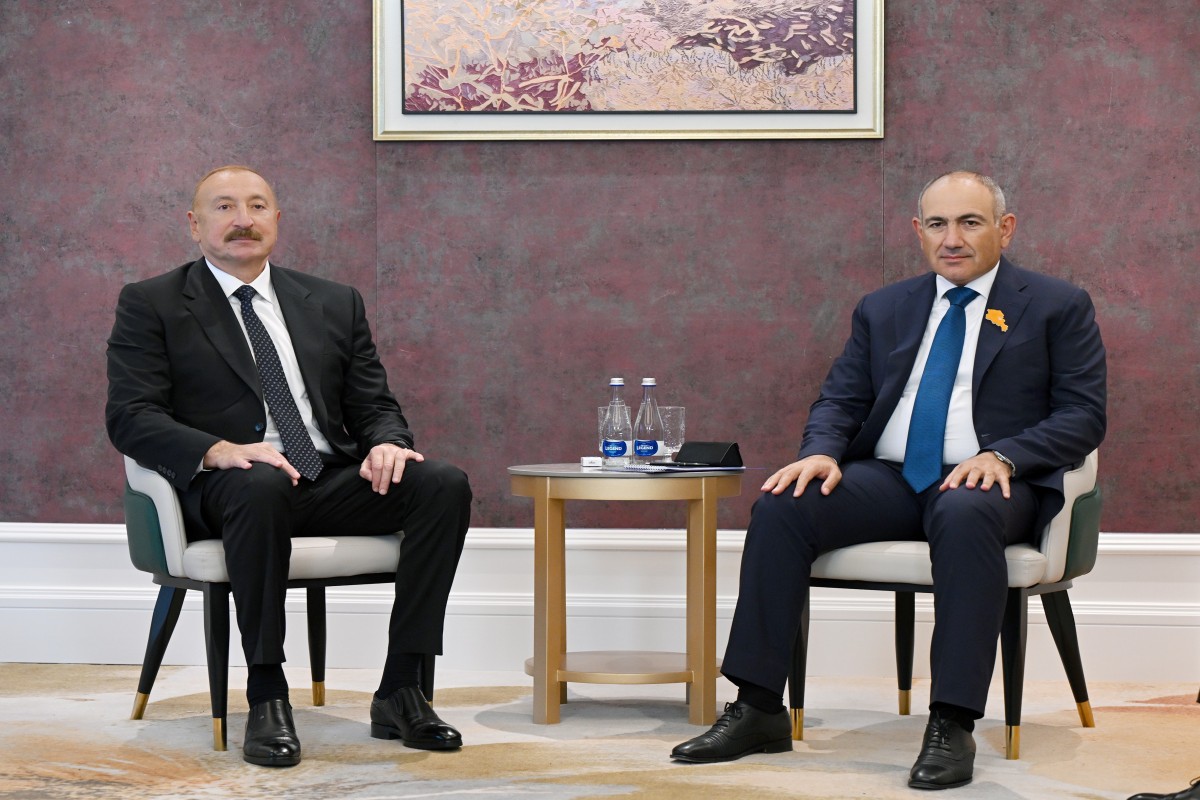
BISHKEK, Kyrgyzstan – Azerbaijani President Ilham Aliyev and Armenian Prime Minister Nikol Pashinyan met here on August 31, 2026, on the sidelines of the Shanghai Cooperation Organization summit, signaling continued momentum in the fragile peace process between the two historic rivals.
According to official Azerbaijani sources, the leaders underscored the significance of the August 8, 2025 Washington Peace Summit and the Joint Declaration signed in the presence of U.S. President Donald Trump. They also reaffirmed their commitment to the initialed text of the Agreement on the Establishment of Peace and Inter-State Relations between Azerbaijan and Armenia.
Practical Steps Toward Normalization
The Bishkek meeting spotlighted tangible developments that both sides are presenting as evidence of an emerging rapprochement. These include the export of Azerbaijani petroleum products to Armenia, the transit of third-country grain and other goods through Azerbaijani territory destined for Armenia, and the establishment of direct trade relations between the two countries.
For a region long defined by closed borders and frozen conflict, these commercial openings represent significant breakthroughs. Yet for thousands of Azerbaijani families, the diplomatic progress has not yet translated into answers about loved ones who vanished during the conflict.
The Humanitarian Shadow
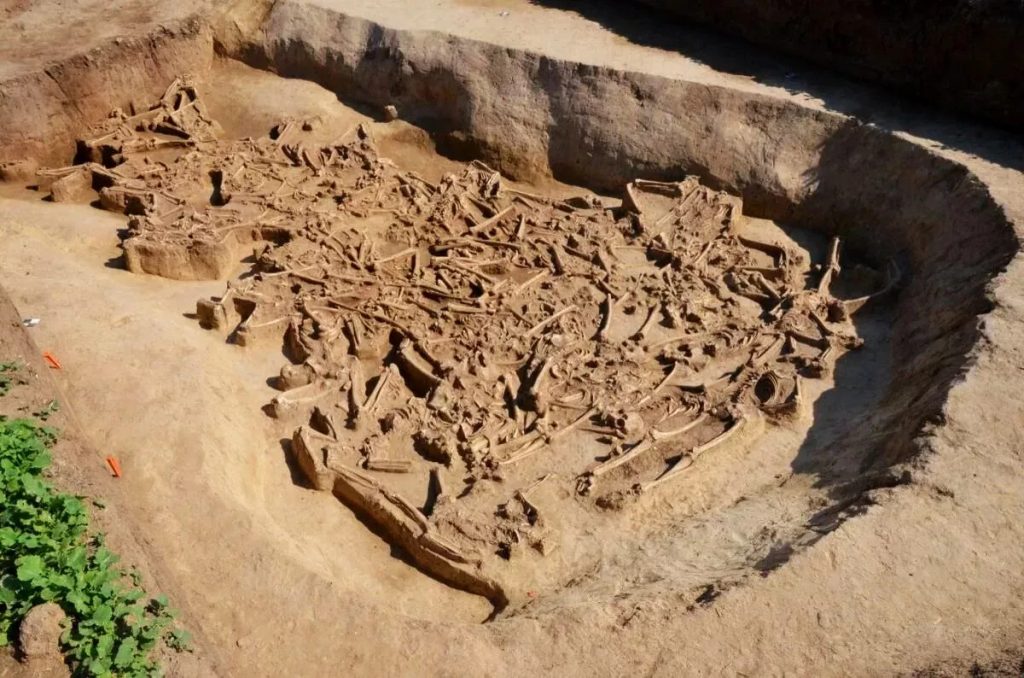
The timing of the meeting carried particular weight. It came just one day after the International Day of the Victims of Enforced Disappearances, a date on which Azerbaijan renewed international attention to the fate of 4,010 of its citizens officially registered as missing as of June 30, 2026.
“We continue to seek information that could help establish the fate and whereabouts of missing Azerbaijanis, including possible burial sites,” a senior Azerbaijani official told reporters. Forensic investigations and DNA identification of recovered remains are ongoing in the liberated territories, but progress has been slow.
The unresolved humanitarian consequences of the conflict remain a painful undercurrent to the diplomatic thaw. For Azerbaijan, normalization and peace are inseparable from resolving this legacy of loss.
The Mine Threat: A Continuing Danger
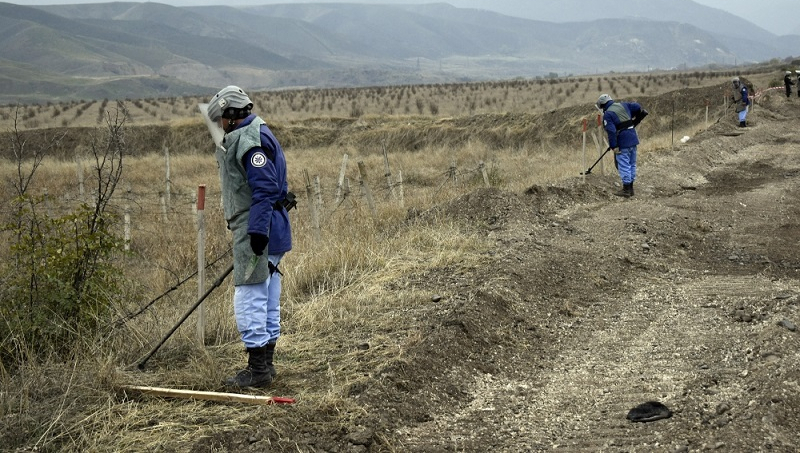
Another unresolved consequence of the conflict was thrust back into the headlines earlier this month. On August 12, a mine explosion in the Khojavand district injured three people, according to Azerbaijan’s Mine Action Agency, the Interior Ministry, and the Prosecutor General’s Office.
The incident underscored that despite substantial demining operations, landmine contamination remains an active humanitarian and development challenge. Reconstruction efforts are accelerating, and displaced residents are gradually returning to their former homes, but the danger of unexploded ordnance continues to pose a deadly risk to civilians and workers alike.
A New Phase, But Challenges Remain
Diplomatic contacts between Aliyev and Pashinyan have increasingly focused on establishing lasting peace and expanding practical cooperation. The Bishkek meeting offers yet another indication that the relationship between Azerbaijan and Armenia is moving toward a new phase.
However, the true measure of the peace process will be whether political progress can translate into meaningful humanitarian cooperation. Key benchmarks include the exchange of information on missing persons, assistance in identifying burial sites, and accelerated mine clearance in affected areas.
Thousands of families continue to await answers about relatives who disappeared decades ago, while communities returning to former conflict zones still face the daily danger of landmines. Whether the diplomatic thaw can address these deeply human concerns remains an open question—and a critical test of the durability and practical impact of the emerging peace.