



CANBERRA, August 15 — Australia’s most senior leaders marked five years since the fall of Kabul on Friday with a joint statement renewing their pledge to hold the Taliban to account, as they paid tribute to the tens of thousands of Australians who served in the country’s longest war.
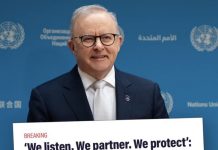
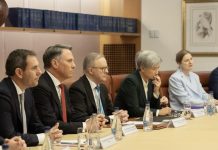
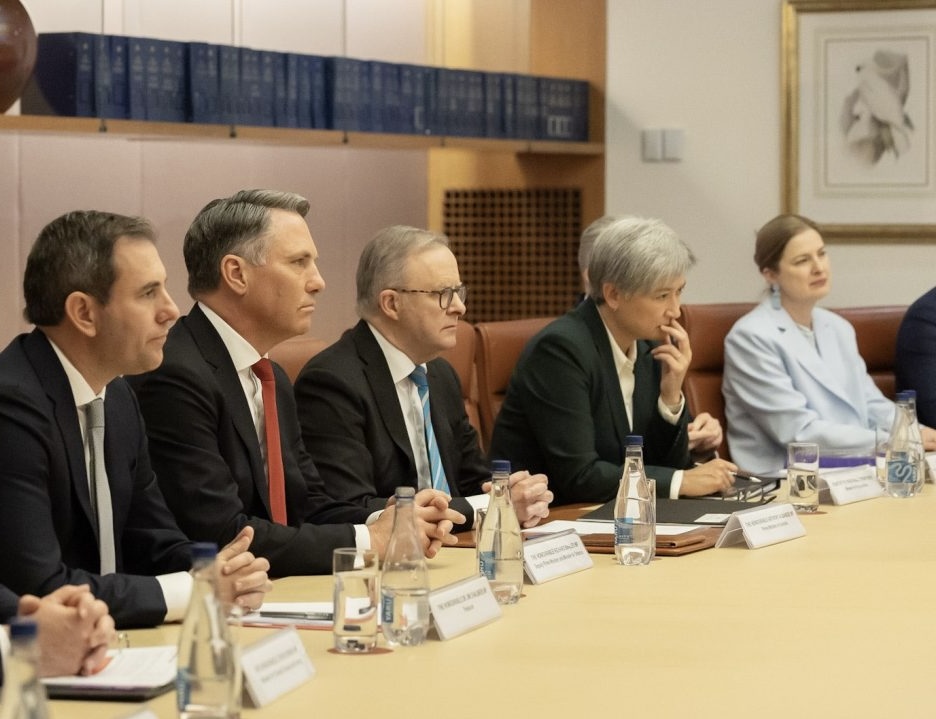
Prime Minister Anthony Albanese, Deputy Prime Minister and Defence Minister Richard Marles, Foreign Minister Penny Wong and Immigration and Citizenship Minister Tony Burke issued the statement on the anniversary of the Taliban’s return to power on August 15, 2021 — an event they described as a “devastating turning point” for Afghanistan.
The four ministers said their thoughts were with Afghans still living under what they called violent repression, as well as with the Afghan diaspora in Australia and around the world.
Honouring those who served
The statement paid tribute to more than 39,000 Australian Defence Force personnel and civilians who took part in operations in Afghanistan over two decades, and remembered the 41 Australian soldiers killed during the campaign, along with veterans who died after returning home. The ministers acknowledged the ongoing mental and physical toll carried by many who served, and extended sympathy to their families.
They also recognised Australia’s coalition partners and the Afghan interpreters and other locally engaged staff who supported the mission — thousands of whom have since resettled in Australia with their families. Their contribution, the statement said, remains part of “our shared story,” with the government reiterating a commitment to continue supporting those who assisted the Australian effort.
A chaotic evacuation, and its aftermath
The statement recalled the frantic days after Kabul fell, when Australian Defence Force personnel and officials from the Department of Foreign Affairs and Trade, Home Affairs and the Australian Border Force worked around the clock to evacuate Australian citizens, visa holders and Afghan staff — an operation the ministers described as one of the largest humanitarian efforts in the country’s history, carried out at “extreme danger” to those involved.
Canberra says it has not walked away from Afghanistan since. The ministers pointed to $310 million in humanitarian assistance delivered through United Nations agencies and other trusted partners since September 2021, funding they say is directed to Afghans in need rather than the Taliban administration. The government has also widened migration pathways for displaced Afghans, with particular focus on women and girls considered most at risk.
Sanctions and international pressure
The joint statement renewed criticism of the Taliban’s human rights record, singling out what it called a “systematic” campaign to strip women and girls of access to education and employment. The ministers said Australia had worked with international partners to pursue that discrimination as a breach of the UN Convention on the Elimination of All Forms of Discrimination against Women, and had introduced a standalone Afghanistan sanctions regime — the first of its kind — imposing financial penalties and travel bans on senior Taliban figures.
“Today, we reaffirm our commitment to the Afghan people to hold the Taliban to account,” the ministers said, adding that Australia would keep pushing for consequences and back international efforts to protect basic freedoms so that Afghans are “not abandoned.”
— Joint statement issued by the Prime Minister, Deputy Prime Minister, Foreign Minister and Minister for Immigration and Citizenship, August 15.