















The Africa Atlantic Gas Pipeline has taken a major step towards development after the Member States of the Economic Community of West African States (ECOWAS) signed an intergovernmental agreement to support the cross-border energy project, broadening what began as a Morocco-Nigeria initiative into a regional infrastructure venture.
The agreement was signed at the ECOWAS Summit of Heads of State and Government in Freetown, Sierra Leone, on July 19, providing the political and governance framework for one of Africa’s largest proposed energy infrastructure projects.
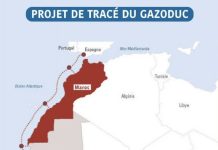
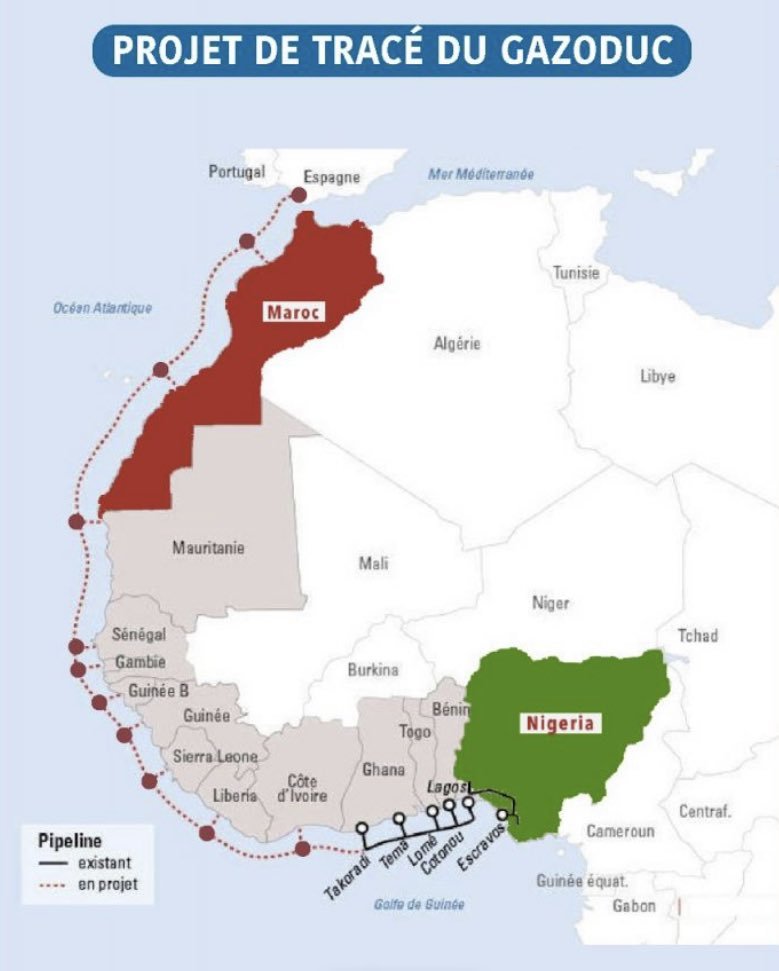
Jointly developed by Morocco’s National Office of Hydrocarbons and Mines (ONHYM) and Nigeria’s National Petroleum Company Limited (NNPC Ltd.), the pipeline is expected to extend about 6,800 kilometres from Nigeria to Morocco, passing through 13 countries along Africa’s Atlantic coastline before connecting with the existing Maghreb-Europe Gas Pipeline.
With an estimated capital cost of around US$25 billion, the project is designed to transport up to 30 billion cubic metres of natural gas each year. The pipeline is intended to meet growing demand across West Africa while also supplying Morocco and, through existing infrastructure, European markets.
The latest agreement marks a shift from political endorsement to institutional implementation. Project partners will now establish a dedicated Project Company, headquartered in Casablanca, and a Pipeline Higher Authority based in Abuja. The two entities are expected to oversee governance arrangements, coordinate participating governments and advance the project towards a Final Investment Decision (FID), a key milestone for securing financing and commencing construction.
The pipeline was first proposed under the leadership of Morocco’s King Mohammed VI and the late Nigerian President Muhammadu Buhari and continues to receive the support of Nigerian President Bola Ahmed Tinubu. Supporters argue the project will strengthen regional energy security, improve market integration and provide new infrastructure to support industrial development across West Africa.
Beyond its commercial objectives, the pipeline is also intended to deepen economic integration among participating countries by improving cross-border energy connectivity and attracting long-term investment. Moroccan officials have positioned the project as part of the Kingdom’s broader strategy to strengthen economic partnerships across Africa through South-South cooperation and the Atlantic African Initiative.
The accession of ECOWAS member states provides the project with a broader regional mandate, an important consideration for investors evaluating the political and regulatory coordination required for a project spanning multiple jurisdictions. While significant engineering, financing and regulatory challenges remain before construction can begin, the latest agreement represents one of the most significant governance milestones since the project was announced.