



Azerbaijan marked the sixth anniversary of Victory Day on 8 November 2026, commemorating its victory in the 44-day Patriotic War of 2020, while renewing its commitment to rebuilding liberated territories and achieving lasting peace in the South Caucasus.
The anniversary honours the sacrifices of Azerbaijani servicemen, the resilience and unity of the nation, and the efforts to restore communities displaced during the decades-long conflict.
Victory Day marks the liberation of Shusha on 8 November 2020, a turning point in the war and an event of particular historical and cultural significance for Azerbaijan. During the 44-day conflict, Azerbaijani forces, under the leadership of President and Supreme Commander-in-Chief Ilham Aliyev, regained control of more than 300 cities, towns and villages.
A presidential decree issued on 3 December 2020 officially designated 8 November as Victory Day.
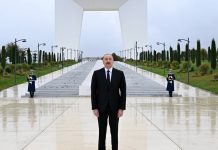
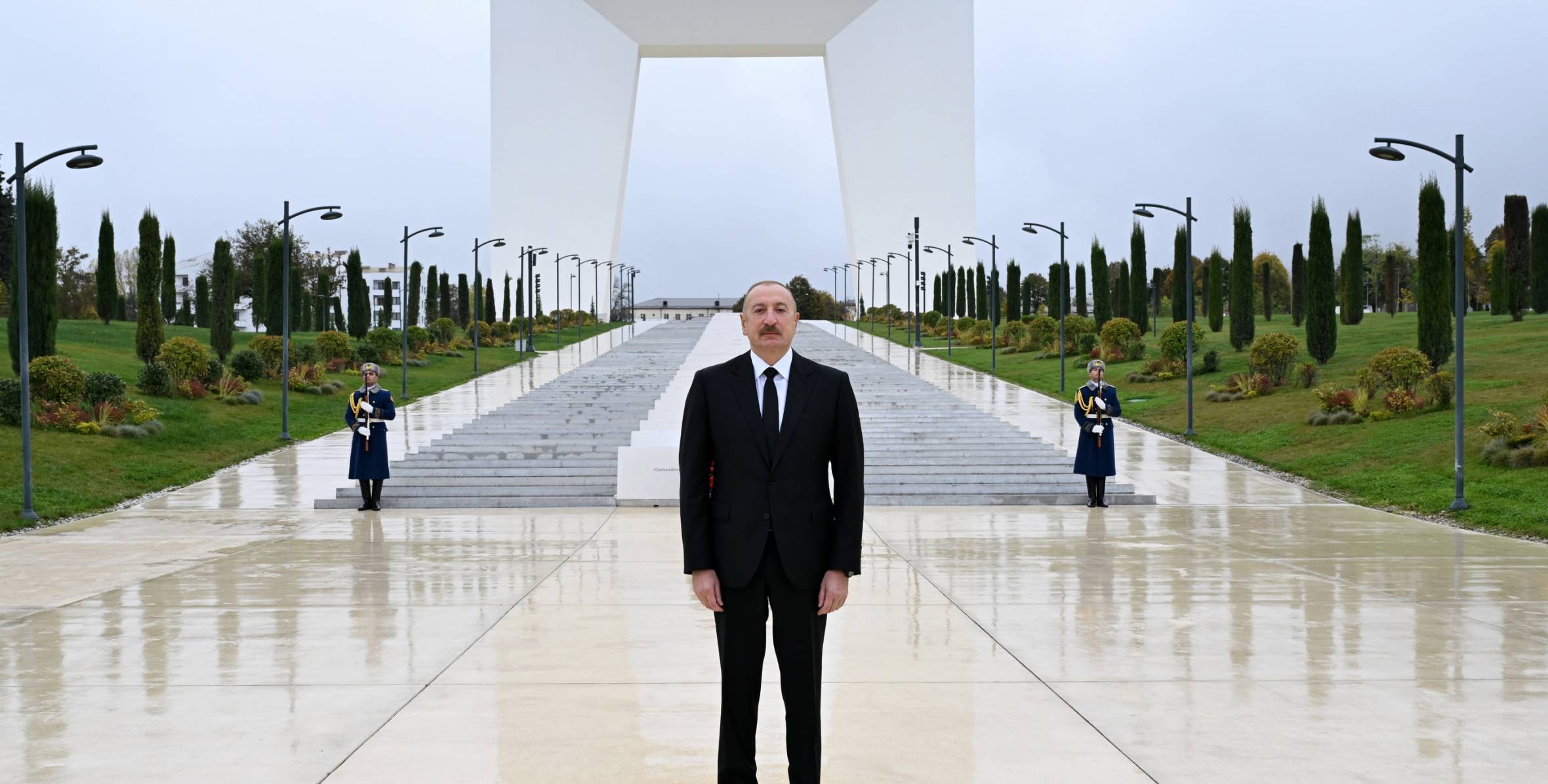
This year, President Aliyev commemorated the occasion at the Victory Monument in Khankendi, laying a wreath before delivering an address to the nation. In its anniversary statement, Azerbaijan’s Foreign Ministry paid tribute to those who lost their lives defending the country and expressed gratitude to veterans for their service and sacrifice.
The Great Return gathers momentum
Six years after the war, Azerbaijan’s focus has increasingly shifted towards reconstruction, rehabilitation and the resettlement of formerly displaced communities through its Great Return programme.
In a message issued on 14 October 2026, President Aliyev said more than 40,000 people had returned to 47 settlements across the liberated territories. He also reported that the government had allocated AZN 25.5 billion from the state budget for reconstruction and restoration.
Major infrastructure projects are reshaping the region, including new roads and international airports in Fuzuli, Zangilan and Lachin. The development of schools, healthcare facilities and public services is helping returning families rebuild their lives, while Garabagh University in Khankendi is contributing to the revival of higher education.
The reconstruction programme also encompasses the restoration of historical, cultural and religious monuments, alongside plans to develop Karabakh and East Zangezur as a green energy zone.
Mine clearance remains a critical part of the recovery effort. According to the October update, more than 300,000 hectares of land had been cleared of mines and unexploded ordnance, improving safety for returning residents, construction workers and infrastructure projects.
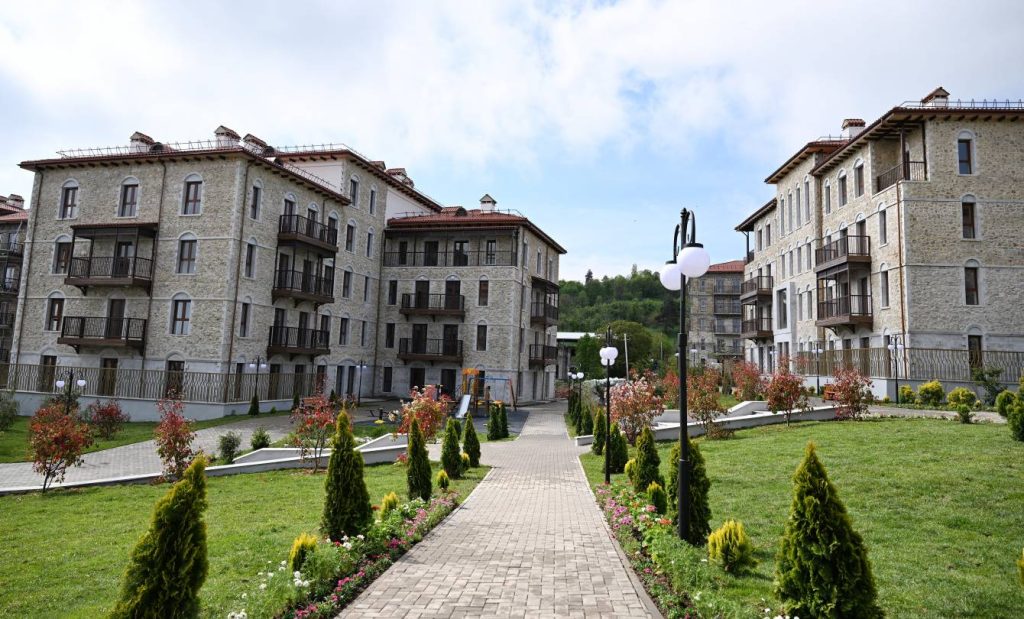
Shusha stands as one of the most significant examples of the transformation underway. In May 2024, the historic city welcomed its first returning families into a newly constructed residential complex designed to reflect its traditional architectural character. The return represented an important milestone in reconnecting displaced communities with their ancestral homes.
Peace remains a regional priority
Beyond reconstruction, Azerbaijan’s Victory Day anniversary comes against the backdrop of continuing diplomatic efforts to normalise relations with neighbouring Armenia.
The foreign ministers of the two countries initialled the agreed text of a peace agreement in Washington on 8 August 2025, marking an important step towards ending decades of conflict.
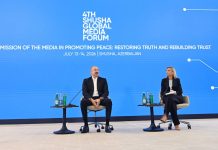
Speaking in Shusha on this year’s Victory Day, President Aliyev noted that the agreement had yet to be formally signed, while expressing optimism that the normalisation process would produce tangible results.
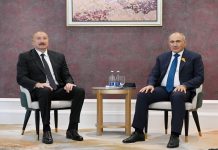
Diplomatic engagement continued on 12 November, when President Aliyev met Armenian Prime Minister Nikol Pashinyan in Dublin. According to Azerbaijan’s official account, discussions covered the restoration of transport links, trade, border delimitation and confidence-building measures. Both leaders underlined the importance of maintaining momentum in the peace process and promoting regional cooperation.
For Azerbaijan, the sixth anniversary of Victory Day represents more than a commemoration of its military success in 2020. It also reflects a broader national agenda centred on honouring those who made the ultimate sacrifice, restoring liberated territories, enabling displaced families to return home and securing a peaceful future.
As reconstruction continues and diplomatic engagement with Armenia progresses, the challenge for the South Caucasus will be to turn the current momentum into durable peace, regional stability and shared economic opportunities.


